1 Nov 2026
Mapping Engagement Cycles in Equestrian and Soccer Wagering Advisory Services Over Annual Periods
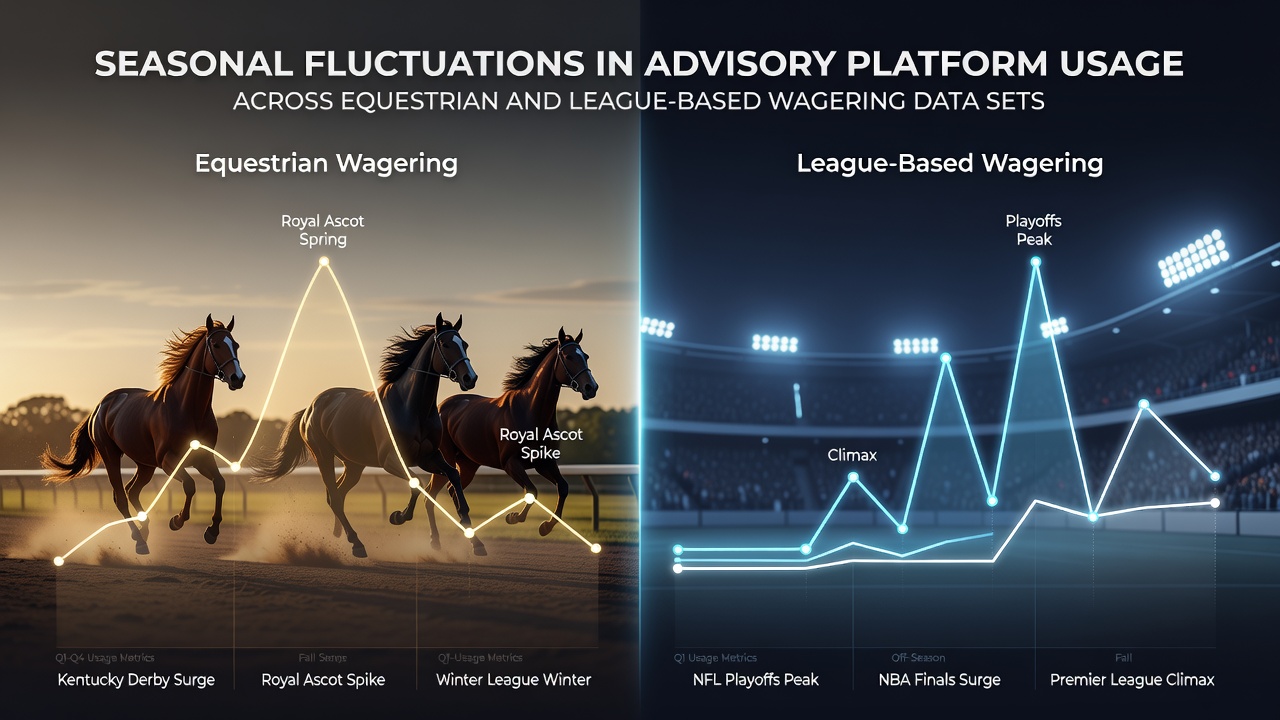
Advisory platforms that supply selections for equestrian events and league-based sports display distinct usage patterns tied to calendar cycles, with data sets from multiple markets indicating higher activity during peak racing festivals and major football campaigns. Observers note that these fluctuations emerge from the alignment of fixture schedules, weather influences on track conditions, and the concentration of high-profile matches in winter and spring months, while quieter periods such as summer breaks see reduced logins and subscription renewals across the same services.
Seasonal Data Patterns in Equestrian Advisory Access
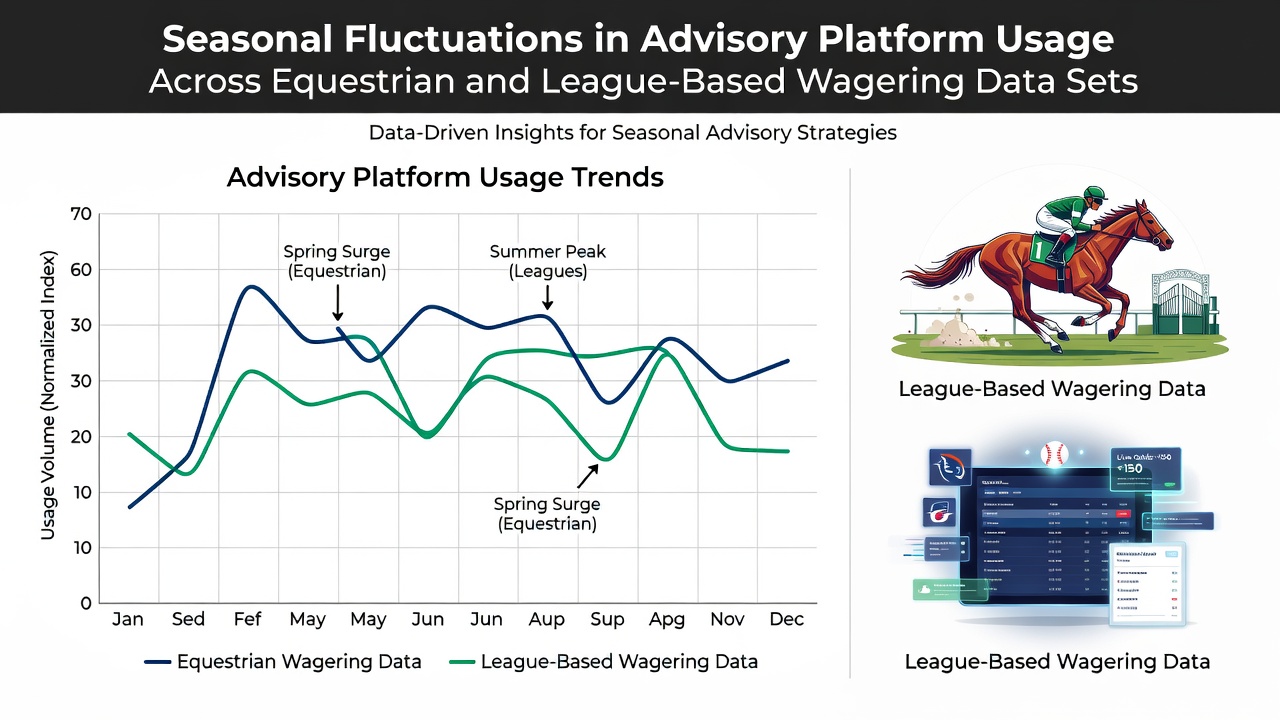
Records compiled from platform analytics reveal that equestrian wagering advisory services experience spikes in user engagement during the National Hunt season that runs from November through April, whereas flat racing periods from May to September produce steadier but lower volume interactions. Figures from 2025 and into November 2026 show that downloads of daily selections and performance trackers rise sharply around major events like the Cheltenham Festival and Royal Ascot, with activity dropping during August when many British tracks schedule fewer high-stakes cards. Researchers tracking these metrics across several providers report that users often shift focus toward football once the Premier League and European leagues resume in earnest after summer breaks, creating measurable crossovers in platform traffic.
League-Based Wagering Platform Trends
League sports advisory platforms demonstrate parallel but offset rhythms, with pronounced increases in queries and membership checks during the opening months of domestic football seasons and again around European competition knockout stages. Data sets covering multiple European leagues indicate that usage dips during international break windows and reaches secondary peaks near title-deciding fixtures in April and May. According to a study published by the University of Nevada, Reno gaming research group, these patterns hold consistent across datasets collected from 2023 through late 2026, showing that punters maintain simultaneous access to both equestrian and league services yet allocate more time to one category depending on the month. The same study notes that subscription pauses occur more frequently after major tournaments conclude, suggesting users reassess value at natural breakpoints rather than mid-season.
Cross-Category Shifts and Overlaps
Analytics from combined data sets illustrate that many users maintain accounts on both equestrian and league advisory platforms yet toggle primary attention between them as seasons progress. During November 2026, for instance, traffic to horse racing selection tools remained elevated due to the start of the jumps campaign while football services recorded renewed interest ahead of winter schedule congestion. A report issued by the Australian Gambling Research Centre found similar dual-platform behavior in markets where punters follow both thoroughbred racing and association football, with engagement metrics rising when fixture lists overlap and falling when one sport enters its off-season. Those who monitor login timestamps observe that weekend afternoons produce the highest concurrent activity across both categories, whereas midweek periods show more selective access limited to upcoming weekend previews.
External Factors Influencing Platform Activity
Weather disruptions, fixture postponements, and regulatory announcements contribute additional layers to these seasonal movements. Prolonged wet spells in Britain and Ireland have historically coincided with higher equestrian advisory checks as bettors seek updated ground reports, while league platforms see temporary surges when key player injury news breaks during congested Christmas schedules. Industry data compiled by the European Gaming and Betting Association tracks these correlations across several years and shows that advisory platform operators adjust content calendars to match these demand windows rather than maintaining uniform output throughout the year. The resulting patterns produce predictable revenue cycles for the services themselves, with renewal rates climbing ahead of major festivals and dropping once those events pass.
Conclusion
Comprehensive examination of available data sets confirms that advisory platform usage in equestrian and league-based wagering follows recurring seasonal structures shaped by fixture calendars, weather, and overlapping sport schedules. These measurable shifts, documented through November 2026 and earlier periods, allow operators and analysts to anticipate changes in engagement without relying on anecdotal reports. Continued collection of anonymized usage statistics from multiple providers will likely refine understanding of how these cycles evolve alongside changes in league formats and racing calendars.