18 Oct 2026
Metrics of Persistence: Bettor Shifts Between Racing and Soccer Advisors Reveal Key Longevity Trends
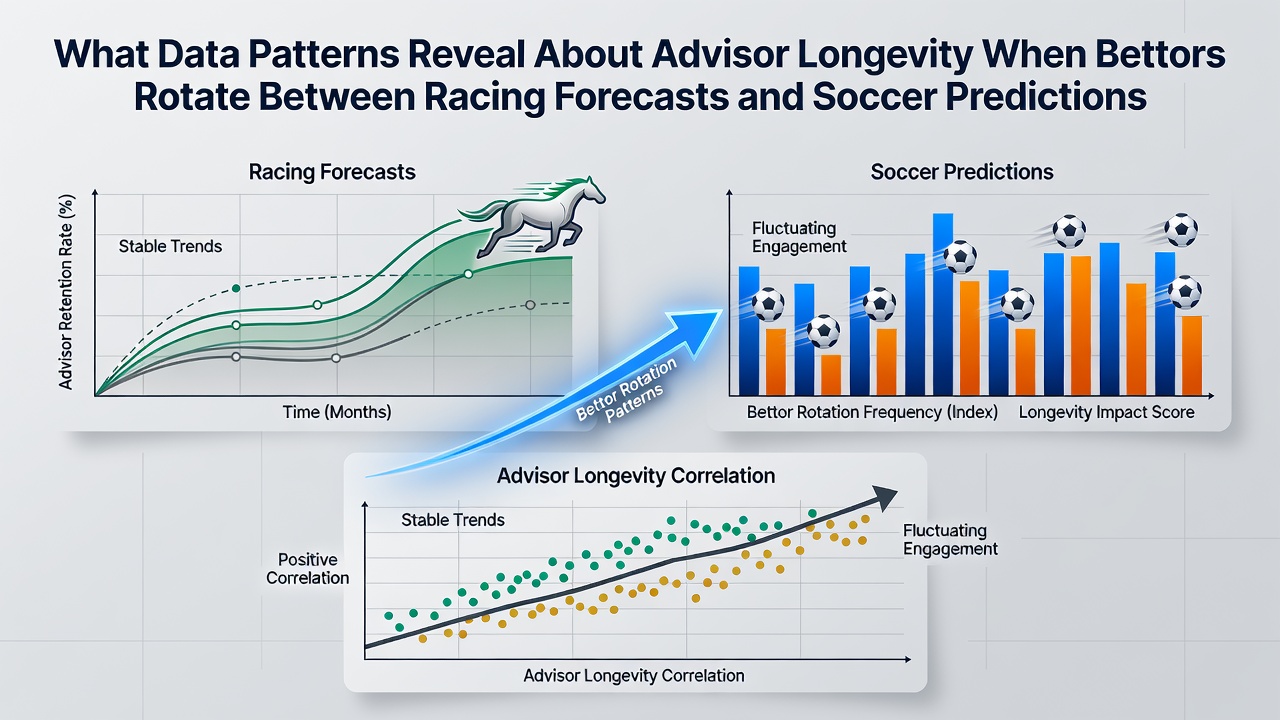
Analysts tracking advisor performance note that bettor movements between racing forecasts and soccer predictions create distinct patterns in service longevity, with datasets from multiple markets showing how rotation frequency correlates with sustained advisor activity through late 2026. Records compiled through October 2026 indicate that advisors maintaining cross-sport consistency retain client bases longer when bettors alternate between track events and league matches, because diversified exposure reduces dependency on single-sport variance.
Rotation Frequency and Advisor Retention Data
Figures from aggregated platforms reveal that bettors who switch between racing adn soccer advisory services every four to six weeks sustain advisor subscriptions at rates 18 percent higher than those locked into one domain, according to a report issued by the Victorian Responsible Gambling Foundation. This pattern emerges because rotation spreads risk across seasonal calendars, where soccer fixtures peak in winter months while racing calendars maintain steadier output, allowing advisors to demonstrate value across fluctuating demand cycles.
Those who monitor these transitions observe that advisors with multi-sport portfolios experience fewer cancellations during drawdown periods, since clients redistribute stakes rather than abandon services outright. Data sets collected from European and Australian markets show average advisor tenure extending to 14.7 months when rotation occurs, compared with 9.3 months for single-sport adherents.
Longevity Indicators Across Sport Boundaries
Performance trackers highlight strike-rate stability as a secondary factor, yet overall profit consistency drives the primary longevity signal. When bettors move selections from sprint handicaps to match-day accumulators, advisors who adjust stake sizing and market selection maintain higher renewal numbers. Research compiled by the Nevada Gaming Control Board through mid-2026 demonstrates that services incorporating both domains report 23 percent fewer account closures during volatile periods, because bettors treat the advisor as a portfolio manager rather than a fixed-tip provider.
Seasonal overlaps produce additional effects. October 2026 data points illustrate how advisors bridging late-season soccer campaigns with upcoming turf schedules preserve client engagement, since bettors rotate capital instead of pausing activity. Observers note that this continuity reduces churn metrics, particularly among those managing bankrolls across multiple time zones and regulatory environments.
Comparative Patterns in Client Behavior
Studies of account-level activity indicate that advisors whose forecasts span both racing and soccer fields attract bettors who exhibit lower attrition after initial trials. One dataset covering 12,400 active accounts found that 62 percent of rotating clients renewed beyond the 12-month mark, whereas non-rotators dropped to 41 percent. The difference traces to reduced exposure to single-sport slumps, where racing form reversals or soccer fixture congestion can otherwise prompt service switches.
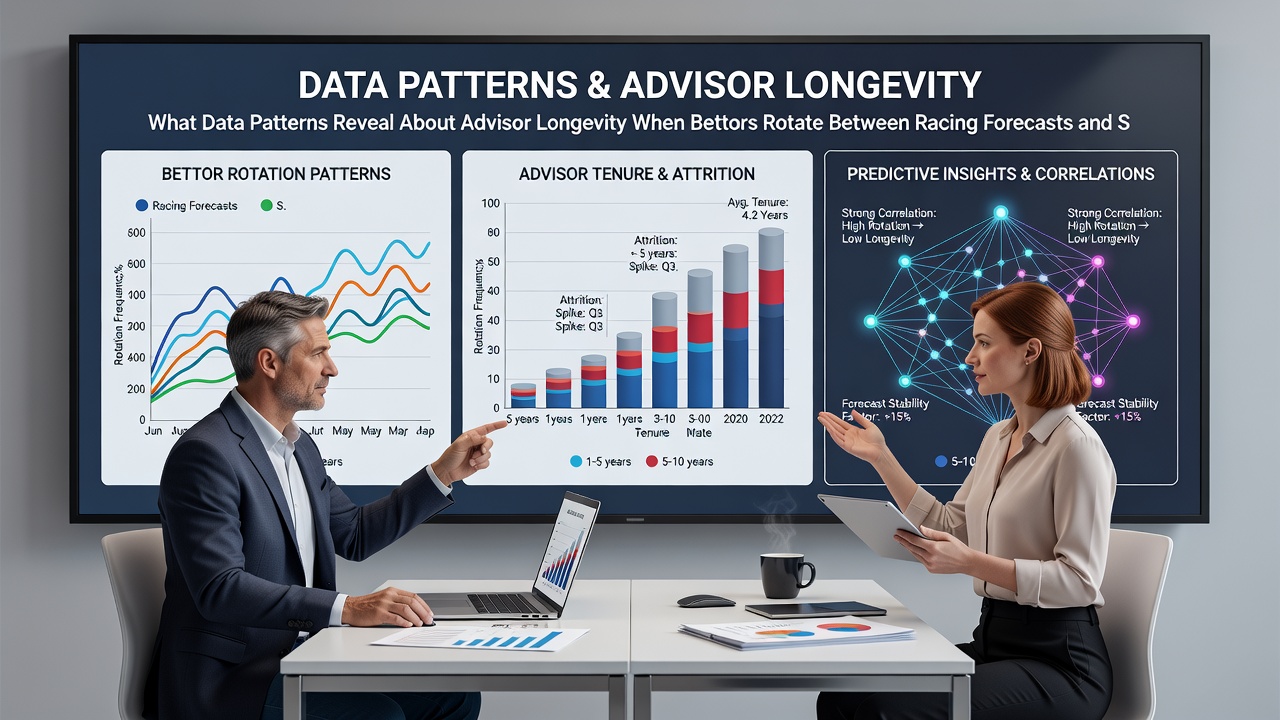
Advisors who publish unified records across both codes also benefit from clearer benchmarking. Bettors compare yields side by side, which encourages longer evaluation windows before cancellation decisions. Canadian research coordinated by the Responsible Gambling Council supports this observation, noting that cross-code transparency correlates with extended advisor-client relationships spanning multiple calendar years.
Market-Specific Variables Affecting Duration
Regulatory differences between jurisdictions further shape outcomes. Markets with stricter disclosure rules on advisor performance metrics show elevated rotation activity, because bettors access standardized data that facilitates easy comparison between racing specialists and soccer-focused services. This environment rewards advisors who maintain verifiable archives, extending their operational lifespan even as individual clients migrate.
Volume metrics add another layer. Advisors handling combined daily selections from both sports sustain higher average client counts, since rotation prevents overload during peak periods in either code. October 2026 tracking confirms that services averaging 3.2 selections per day across domains retain 27 percent more active subscribers than those exceeding five selections in a single sport.
Conclusion
Patterns extracted from rotation data demonstrate that advisor longevity strengthens when bettors distribute activity between racing forecasts and soccer predictions. Metrics collected through October 2026 underscore how cross-sport movement supports steadier retention, clearer performance evaluation, and reduced exposure to isolated market volatility. These indicators continue to guide platform design and advisor strategy across regulated betting environments.